· 6 min read
The locker at the corner
Poland’s parcel-locker ecosystem beats Amazon’s captive delivery model by separating where you buy from where and when you receive.
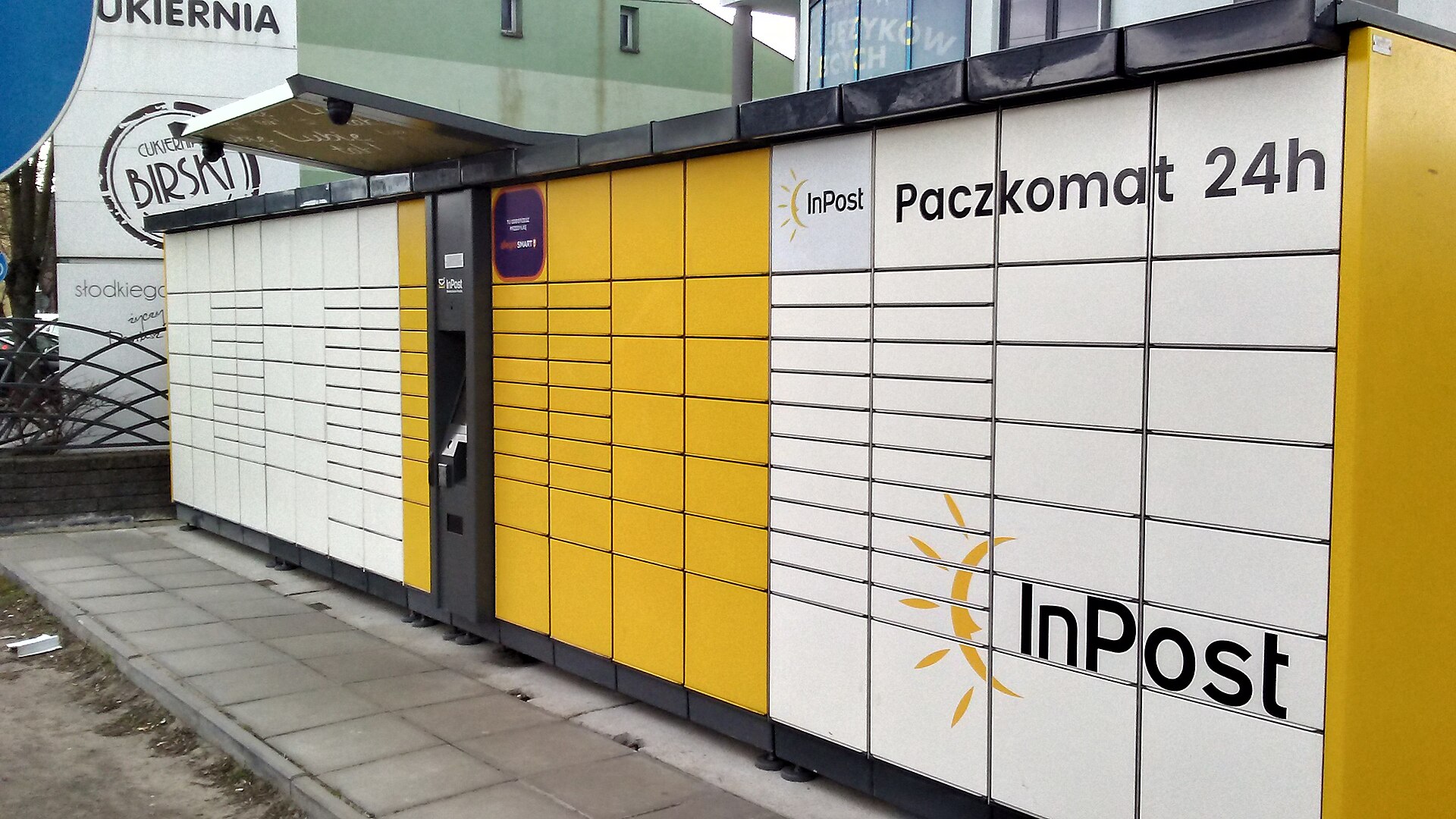

I started this draft with a neat two-column comparison: Amazon on the left, InPost on the right. Ten minutes later I had added Allegro, Orlen, Poczta Polska, and a note in the margin saying “the carrier is the point.” The comparison had been hiding the useful part.
Amazon's best trick is making the search box, membership, warehouse, delivery promise, and front door feel like one product. Poland built a better last mile by pulling the final handoff out of the store and putting it beside the supermarket. The Polish advantage is not a better shop. It is a delivery network that can serve almost any shop.
InPost is a private logistics company, and Poczta Polska is the national operator. Here, “postal services” means the broader Polish parcel system that grew around lockers and pickup points. That system includes competitors, public infrastructure, corner shops, petrol stations, and a customer expectation Amazon cannot own by itself.
| Amazon-shaped delivery | Polish locker network | |
|---|---|---|
| Address | Home, workplace, or a platform pickup point | A neighborhood machine chosen at checkout |
| Recipient’s time | Courier window or the platform’s collection rules | Collection after arrival, often around the clock |
| Seller choice | Strongest inside one marketplace and membership | Available across unrelated shops, marketplaces, and private sends |
| Missed handoff | Redelivery, safe-place decision, or support flow | The parcel remains in a compartment until collection |
| Return path | Attached to the original order and account | Drop the parcel back into the carrier network |
The address became a machine#
Home delivery contains a stubborn synchronization problem. The driver has a route, the recipient has a life, and both are supposed to arrive at one doorway within the same sliver of afternoon. Delivery windows, intercom calls, safe places, neighbors, and second attempts are patches over that collision.
A locker gives the parcel an address that can receive without you. By the end of 2024, InPost's automated parcel machines stood all over Poland and the company handled 1.09 billion parcels across its markets that year. The scale matters because a locker five tram stops away is a chore; one beside the groceries becomes part of the walk you already make.
The operational gain is equally plain. A courier can unload many parcels at one stop, while each recipient collects later. Failed doorstep handoffs fall out of that route, and the evening no longer belongs to a tracking page that says the van is seven stops away.
Convenience left the storefront#
Amazon entered the Polish marketplace in 2021 and priced Prime aggressively. Its local challenge was never the ability to move a box; Amazon has spent decades making fulfillment look effortless. Poland already expected something broader: pick a carrier at checkout, choose a familiar machine, open it from an app, send a return through the same network, then use that habit again at another shop.
Amazon offers pickup points in many markets. Those points extend the Amazon order. An InPost locker can receive purchases from unrelated merchants, marketplace sellers, and smaller shops, while the same network accepts consumer sends and returns. The delivery relationship survives after the storefront changes.
Competitors copied the expectation rather than arguing with it. Allegro finished 2024 with more than 4,500 lockers and planned another 2,500 for 2025. In September 2025, Orlen and Poczta Polska announced a venture intended to combine their infrastructure into more than 30,000 pickup and drop-off points. Of course the reward for building a useful shared habit is that every operator wants its own yellow, green, or blue wall in the same car park.
That competition can become clutter, but it also keeps the final handoff from disappearing inside one retailer's subscription. A merchant can negotiate between carriers, and a customer can pick whichever machine sits closest, or whichever app is already on their phone.
Density becomes a habit#
Locker delivery improves abruptly once the network is dense enough. Before that point, every order requires a small geography lesson. Afterward, the checkout remembers your usual machine, the app sends the same notification, and collection fits between the pharmacy and the bread shelf. People stop evaluating the delivery method each time.
In late 2024, InPost's chief executive gave the Financial Times an estimate for out-of-home delivery in Poland and the United Kingdom. The figures came from the company selling the model, so I would not mistake them for a neutral census. The gap still explains why copying a few lockers abroad does not immediately copy Poland.
| Poland | 65% |
|---|---|
| United Kingdom | 10% |
The useful product includes merchant integrations, route density, remembered locations, app behavior, and enough volume to refill the machines every day.
Amazon's model gets stronger as more purchases stay inside Amazon. The Polish network gets stronger the other way around, as purchases from more places converge on a delivery layer people already know, and a small shop that plugs its checkout into that layer gets national logistics without ever buying a van.
The locker sends a bill too#
I nearly ended this as a patriotic story about Poland teaching American commerce some manners. Then I put the 2026 ownership news back into the draft. A consortium led by Advent and FedEx opened a €7.8 billion tender offer for InPost, with the acceptance period scheduled to run until July 27, 2026. A Polish delivery habit can be commercially valuable precisely because international capital knows how hard it is to reproduce.
Lockers also transfer work to the recipient. You walk, carry the parcel home, obey a collection deadline, and sometimes discover that the “nearby” machine is across a six-lane road. I have not measured your route. Door delivery remains better for limited mobility, heavy goods, urgent items, groceries, and anyone whose daily path does not pass a useful pickup point.
The environmental case needs the same honesty. Consolidated stops can reduce van mileage, but a customer who drives a separate round trip can spend the saving again. A 2026 study of pickup-point delivery found that the result depends heavily on network density and how customers travel. Poland's advantage comes from putting lockers on existing errands. A cabinet at the edge of town has the same steel doors and none of the errands around it.
Late in the evening the locker outside the supermarket is still lit. The parcel can sit behind a steel door until breakfast. The shop has already sold it, the driver has already finished the stop, and your evening never had to line up with either company's schedule.