· 4 min read
Make the game answer
A small indie scene can feel connected when one action produces immediate feedback, persistent state, a later world response, and enough quiet for the player to notice.
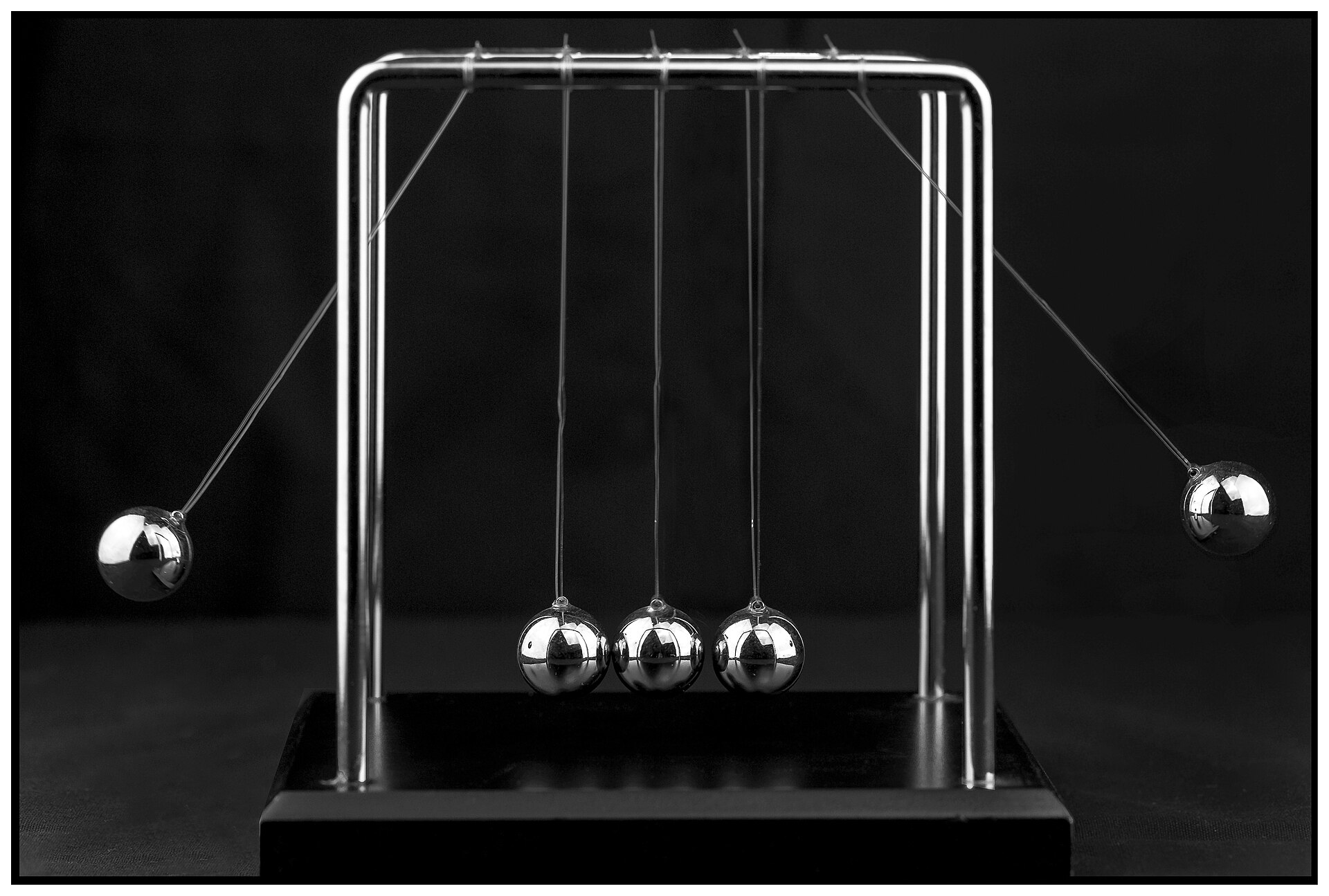
.jpg)
The CCCP essay gave me four words. The useful follow-up is one cheap room: a fuse box, a dead radio, a locked workshop shutter, and a mechanic waiting outside. If restoring power only flips the objective flag, the interaction is finished in code and strangely absent from the game.
You do not need a dialogue engine or a cinematic camera to fix it. Let the same event reach a few places at different times, then protect the important response from the noise your other systems are eager to make.
One action, several listeners#
Start with one named fact. The fuse box acknowledges the input immediately, changes the room, and leaves two responses for later. Direct calls are fine here. An event bus is optional architecture rather than part of the design rule.
function restore_power(world: World) { if (world.facts.has("power_restored")) return; world.facts.add("power_restored"); world.feedback.play("breaker_clack", { flash: 0.08, shake: 1 }); world.rooms.workshop.lights = "on"; world.echoes.enqueue("radio_returns"); world.dialogue.unlock("mechanic_noticed_lights");}- 1The completed action cannot replay its full reward stack on every button press.
- 2A persistent fact gives later systems something stable to read.
- 3The player gets an immediate local acknowledgment before any delayed response.
- 4The radio is queued, so pacing can choose when it speaks.
- 5Dialogue receives the same event without duplicating the fuse-box logic.
The rule of thumb is small: a meaningful action gets one immediate acknowledgment and one persistent consequence. Ask what still differs ten seconds later. When the answer is only a particle emitter, you paid for feedback and left the world untouched.
“Juice It or Lose It” shows how much motion, sound, and particles can add to a bare interaction. The useful constraint comes from asking whether each effect confirms the same event. A wobbling stone that sounds like metal has plenty of response and no agreement.
Spend the fact somewhere else#
Conversation starts when another part of the game reads power_restored. You can afford this in a tiny game because the echo does not need a branching narrative tree. One changed description already tells the player that the room remembers.
function describe_workshop(world: World): string { if (!world.facts.has("power_restored")) { return "The radio dial is dark. The shutters will not move."; } if (!world.facts.has("mechanic_spoke")) { return "The radio is warm. Someone has tuned it since you left."; } return "The workshop hums behind the raised shutters.";}Keep the fact named after what happened, not after the reward you currently plan to attach. The radio, mechanic, shutter, and save file can all understand power_restored; a flag named play_mechanic_line_04 welds the world to one implementation and becomes embarrassing the moment you cut that line.
Worch and Smith's environmental-storytelling work treats spaces as evidence the player can pull meaning from. A practical indie version is one fact spent once outside the original interaction: an NPC notices the lights, the radio picks up a station, or the workshop description changes. Which object in your scene is currently waiting for permission to become specific?
Protect the response#
Pacing does not require an AI director. A three-line guard can stop the radio from speaking over combat, a modal screen, or a room where the player cannot safely listen.
function play_next_echo(game: Game) { const echo = game.echoes.peek(); if (!echo) return; if (game.combat.active || game.ui.blocks_dialogue) return; if (!game.player.is_in_safe_space()) return; game.echoes.shift(); echo.play();}This queue also improves clarity because the delayed line arrives without a reward banner and three enemies competing for the same second. Essential information still needs more than sound; the Game Accessibility Guidelines recommend keeping critical meaning out of audio alone, so the restored radio can light its dial or add a readable transcript entry.
| Pass | Rule of thumb | Question | Small patch |
|---|---|---|---|
| Combos | Pair acknowledgment with a state change. | What differs ten seconds after the input? | Flip one fact and update one nearby object. |
| Conversations | Spend a meaningful fact in another channel later. | Who or what can answer this action? | Add one alternate line, prop state, or ambient cue. |
| Clarity | Choose one primary signal for each cause. | Could a tester explain why the change happened? | Quiet competing effects and mirror essential audio visually. |
| Pacing | Queue nonurgent responses until the player can receive them. | Is the game asking for attention during another demanding verb? | Wait for a safe space, a menu close, or the end of combat. |
Add the radio line last, then trigger the fuse while the objective banner is open. If the subtitle sits underneath the banner, keep the screenshot in the issue. It is more useful than another round of “the scene feels flat.”