· 1 min read
Building for the second reading
A note on making software that grows clearer when people return to it.
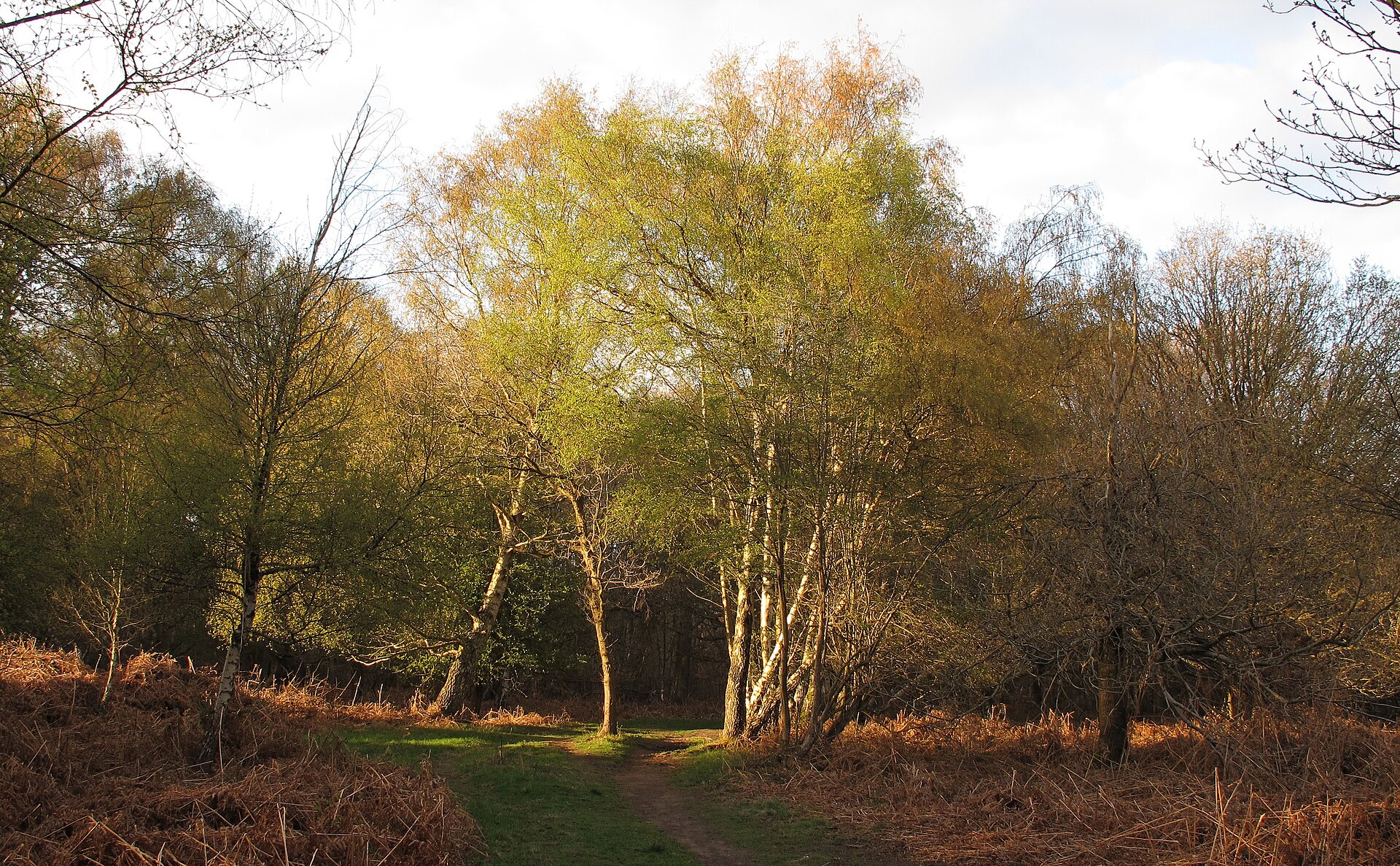

The first read of a codebase tells you what it does. The second — a month later, changing something — tells you whether anyone cared about the person arriving after.
Leave a trail, not a map#
Good code doesn't explain every stone. What I want coming back is the next decision made visible: a name that says what a module is for, a boundary that shows where my change belongs. Tests help when they name the promises worth keeping.
Maintainability is hospitality extended through time.
I'm holding this journal to the same standard. Each article is its own route, and the index finds new writing without a catalog I'd forget to maintain. Interactive ideas get small client islands.
Make return visits rewarding#
A useful system gets more legible the longer you live with it. The conventions repeat until they disappear; the exceptions earned their place. You spend less energy decoding structure and more on the idea.